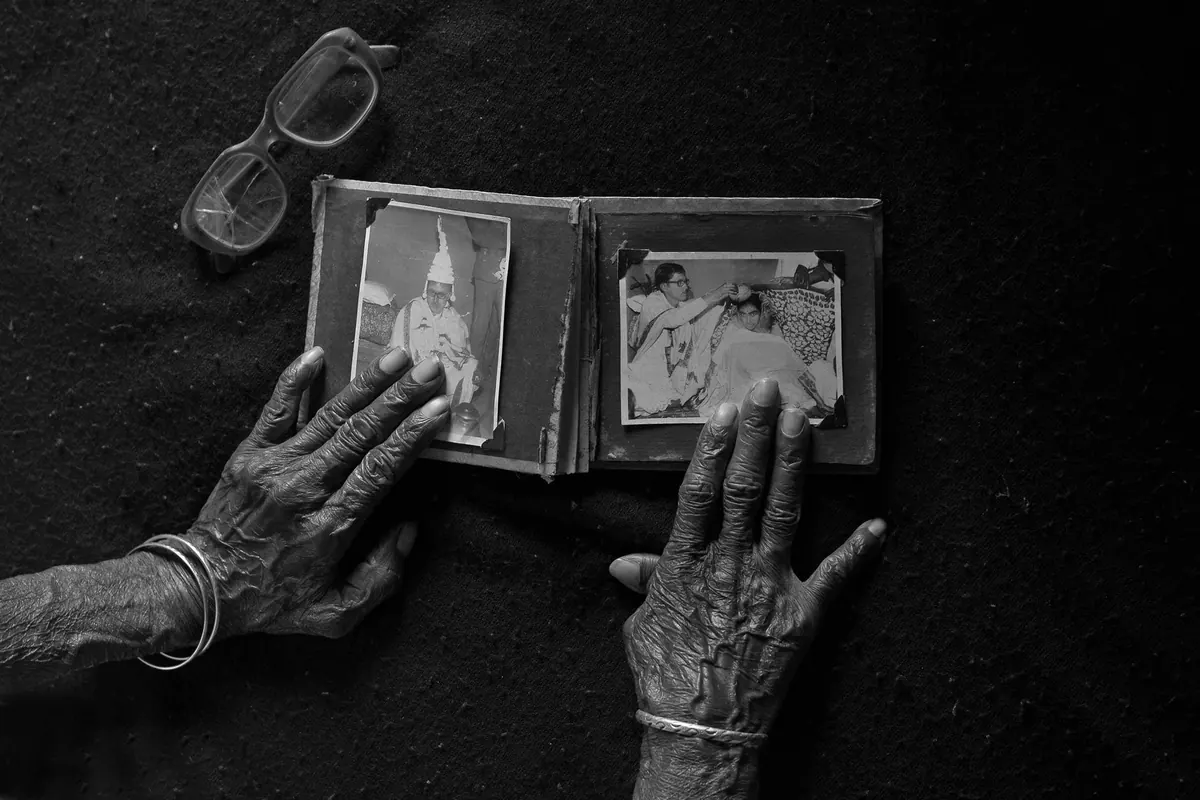
Every family keeps at least one object that refuses to be ordinary. A tarnished spoon. A photograph with a crease across someone’s face. A bundle of letters tied with string that has gone stiff with age. The object may not look like much to anyone outside the family, but it carries a charge. That charge is where a short story begins. What follows is a practical way to turn that charge into narrative nonfiction: a true story shaped with the pace, scenes, and selectivity of fiction.
Begin with the object on the table
Put the artifact somewhere with good light. Leave your notebook closed for five minutes. Look first, then write. Note the chipped enamel, the uneven stitching, the way the photograph’s white border has yellowed more along one edge. Describe the object as if it has to be identified in a lost-and-found department. This is not busywork. Specific details are the raw material of scene, and scene is what keeps a family story from turning into a genealogy chart.
Write down what you can verify with your senses: weight, smell, wear, sound. A brass bell has a dull clapper. A recipe card is stained near the sugar line. Then write what you know from family accounts, clearly labeled as such. “My aunt said the bell came from the old schoolhouse” is different from “The bell came from the old schoolhouse.” That distinction will matter later, and it is easier to maintain from the start.
Ask questions the object cannot answer
An heirloom is an excellent interview prompt. Sit with a relative—or with your own memory—and ask open questions that invite detail rather than a yes or no. Useful starting points include:
- Who handled this object most often, and what did their hands leave behind?
- Where did it live in the house: a drawer, a shelf, a purse, a pocket?
- What was happening in the family when it was new, lost, repaired, or passed on?
- What is missing from it—a lid, a photograph, a name, a reason?
- What do different relatives remember differently about it?
Contradictions are not a problem. They are often the story. One cousin remembers the photograph being taken at a wedding; another insists it was a funeral. Write both versions down. Narrative nonfiction does not require you to solve every mystery. It requires you to be honest about what you know, what you were told, and what you are inferring.
Build a timeline, then choose a narrow window
Before drafting scenes, make a simple timeline. Put the object’s known dates on one line and family events on another. Add locations when you can. The timeline does not have to be complete; it exists to keep you from forcing the story into a shape it does not have. You may discover that the object’s most interesting moment is not its origin but the afternoon it was nearly thrown away.
Separate fact from family story
A three-column page helps: Known (the inscription, the photograph’s date stamp, the repair you can see), Remembered (who said what about it), and Suspected (your reasonable interpretation). Keep this page nearby while you write. If a sentence slides from one column into another, revise it. Readers will forgive uncertainty; they will not forgive a story that pretends to know more than it does.
Find the pressure and a frame
A short story cannot hold an entire family history. It needs pressure: a decision, a loss, a move, a secret, a repair, a goodbye. Choose a narrow window around the object. Perhaps a grandmother’s sewing kit is packed during a house sale; perhaps a passport photograph survives a journey; perhaps a recipe card becomes the only piece of handwriting anyone can find. The object is not the whole subject. It is the hinge.
Then choose a frame that fits the material. You might build the piece around a single scene of discovery, alternating present-day handling with remembered episodes. You might write an investigation: what you were told, what you found, what remains unclear. You might follow the object through three rooms in one house. Keep the frame simple. A family artifact already carries enough association; the structure should help the reader, not compete with the subject.
Write the first scene with restraint
Start in action, not in explanation. Someone is opening a drawer, wiping dust from glass, unfolding a letter. Let the reader see the object being handled before you tell them why it matters. Use concrete nouns and active verbs. Resist the urge to make every detail symbolic. A cracked teacup can simply be a cracked teacup for a paragraph; the meaning will gather if the scene is honest.
Be careful with dialogue and weather. If you do not remember the exact words spoken in a kitchen forty years ago, paraphrase and say so, or keep the exchange brief. Do not invent a thunderstorm to create mood. Narrative nonfiction can use scene-building, but it should not smuggle in invented facts. If you need atmosphere, look for what is already there: the radio left on, the smell of mothballs, the way someone folds a receipt into a wallet.
Revise for truth and texture
Once you have a draft, read it with two questions in mind. First: where am I pretending to know something? Second: where am I explaining instead of showing? A revision pass can be simple and systematic:
- Mark every factual claim and confirm it, soften it, or cut it.
- Circle the first paragraph that actually starts the story, then cut what comes before it.
- Replace abstractions such as “difficult” or “meaningful” with a specific action or detail.
- Read the draft aloud to catch sentences that sound like a report rather than a person speaking.
- Check privacy. If a living relative might be hurt by a detail, consider whether it is necessary and whether they should be told before publication.
Finally, look at the ending. A short family story does not need a tidy revelation. It needs a shift in the reader’s understanding, or a final image that lands cleanly. The object can remain unresolved. The narrator can admit that a question is still open. That honesty is often more moving than a manufactured conclusion.
A short practical closing
Choose one artifact this week. Set it on a table for fifteen minutes and write a page of observation. Next, make a one-page timeline with the three columns—known, remembered, suspected. Then draft a single scene of no more than six hundred words in which someone handles the object. Revise once for facts and once for texture. When you have a clean draft, read it to one relative and ask a single question: “What did I get wrong?” Their answer may give you the next scene, or it may give you the truer ending. Keep your notes in the same folder as the draft. Family stories change as memory is compared, and a record of where each detail came from will let you revise without losing your footing.
Photo: Sourav Das / Pexels